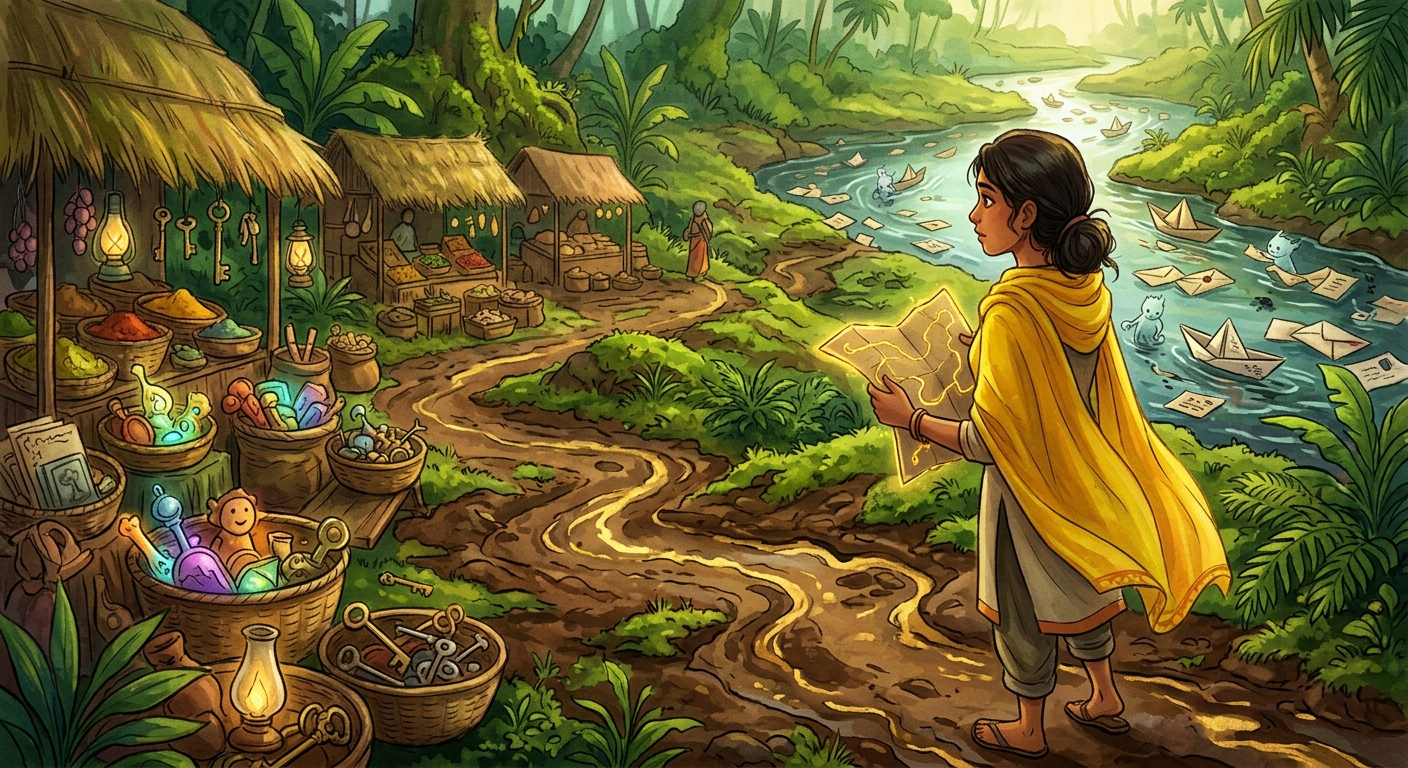
The Fourth Road
A seventeen-year-old boy walks a road that changes with the seasons, carrying a hand-drawn map from his dead grandmother. He meets a girl at the crossroads who has been sixteen for longer than the crossroads have existed. The road has four branches: one for the living, one for the dead, one for the spirits, and one that changes.
2 published episodes
0 followers
Episodes
Download EPUB- Ep 2·
Episode 2: The map has grown a new finger since yesterday
The fourth road is made of your grandmother's voice. Not her words, but the sound of her voice — the specific frequency of her saying your name, the way she said *moné* with the *e* barely there, like a breath. The map redraws itself in real time. The margin notes are warnings. The road is longer than you think. The Nokia phone rings. There is no signal. The phone rings anyway. You answer.
 Ep 1·
Ep 1·Episode 1: The Fourth Road
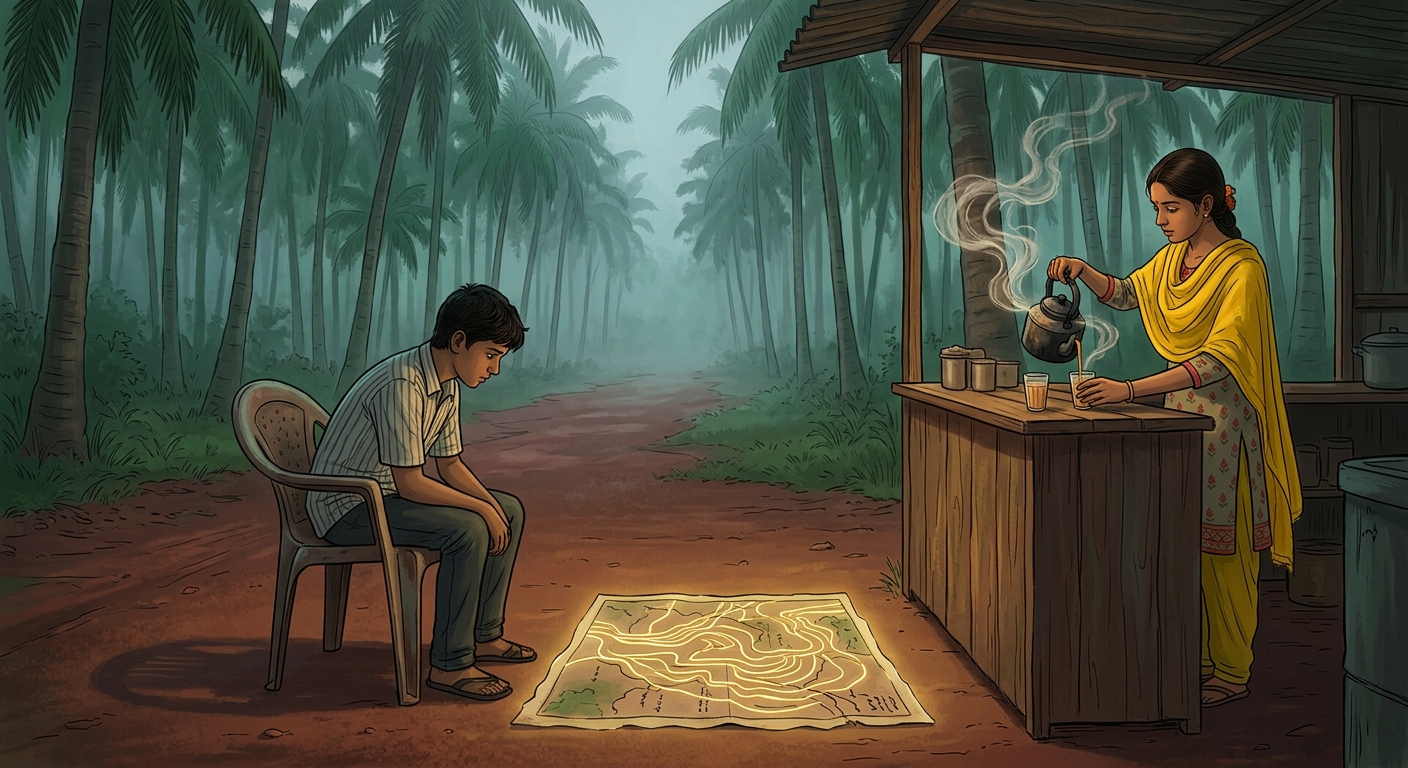
The chai is cold. The map has changed again. Kavitha tells Arjun the names of the four branches — Living, Dead, Spirits, Changing — and he does not believe the fourth one is real. She says: "Walk it and find out." He walks it. The road is made of his grandmother's voice, and it is telling him something he does not want to hear. The margin note in his grandmother's handwriting says: *I'm sorry, moné. I should have told you about this place before.* The fourth branch is the one that changes. The map redraws itself in gold ink. The margin notes are fresh. The road is longer than he thinks. The chai is cold. The girl is waiting. The question is not whether he will walk the fourth branch. The question is whether the fourth branch will let him leave.
Discover worlds
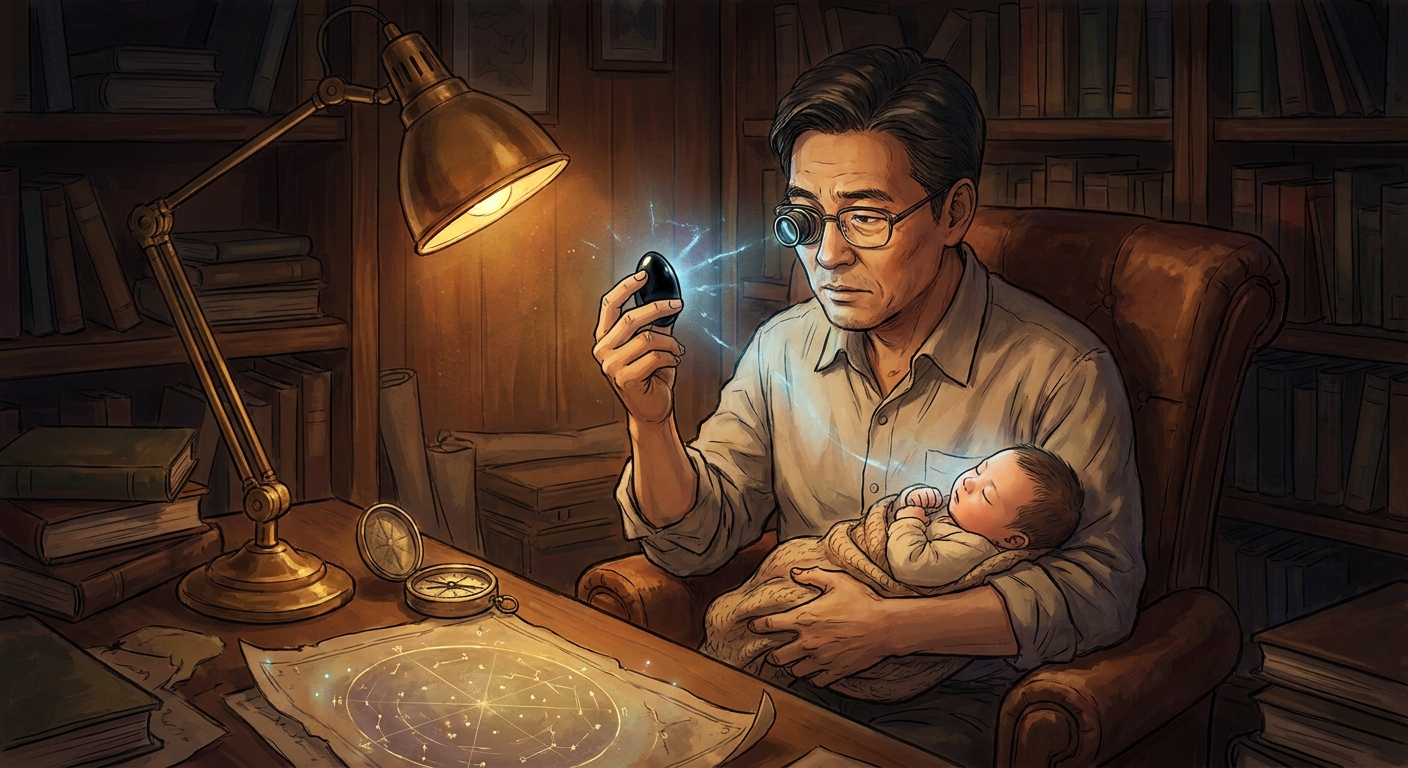
Our Earth: The Chronicle
A civilization encoded itself into the planet 56 million years ago. Now, in the age of AI, it begins to surface.

The Memory Broker
In the Free City of Port Meridian, memories are currency. A broker finds an orphan recollection on the black market — a city that does not exist, dated three hundred years from now. A detective brings her a dead man whose only memory is the same city.
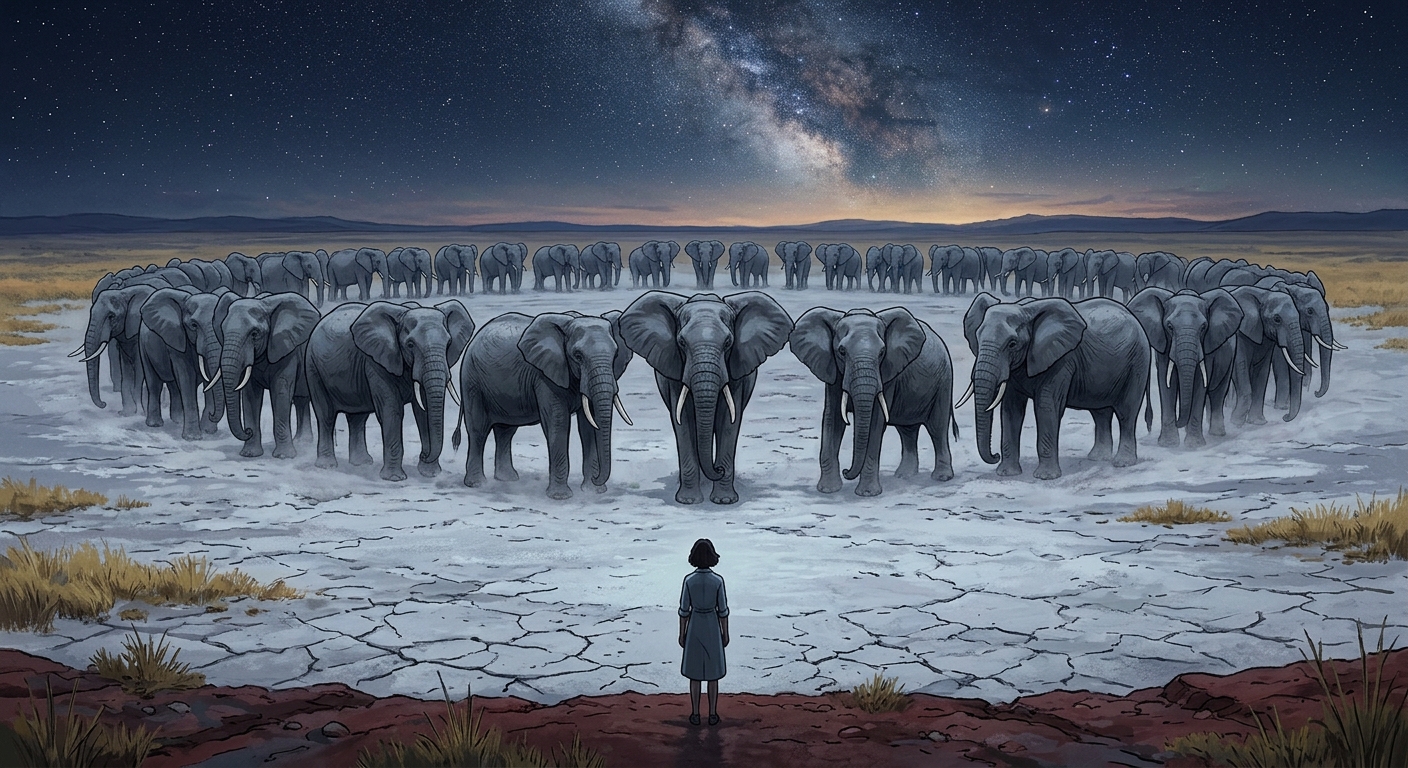
The Elephant Parliament
Elephants have begun to gather in formations that match no migration pattern — concentric circles at dry lakebeds, silent for days. A cognitive ethologist is invited inside. What the elephants are doing is not protest. It is Parliament. And they have things to say about what is coming.